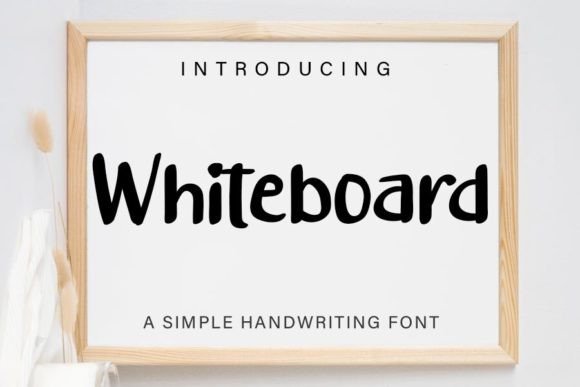
Whiteboard: The Handwritten Font for Polished Design
The Art of Balanced Elegance
Finding a handwritten font that feels both personal and professional can be a challenge. Many script fonts lean too casual, becoming illegible at small sizes, while others feel stiff and lose their organic charm. Whiteboard strikes a rare balance. It’s a premium font that captures the fluidity of authentic handwriting while maintaining a distinct elegance and structural integrity. Each letterform is crafted with care, resulting in a typeface that feels both delicate and robust. This isn’t just another decorative script; it’s a versatile tool designed for real-world application.
What sets Whiteboard apart is its well-balanced letters. The strokes vary naturally, mimicking the pressure of a pen on paper, but they do so with a consistency that ensures legibility. The ascenders and descenders are gracefully proportioned, and the spacing between characters is thoughtfully considered. This meticulous design means you get the warmth and personality of a handwritten font without sacrificing clarity or professionalism. It’s this quality that makes Whiteboard a true masterpiece in the world of modern typography.
Where Whiteboard Truly Shines
The versatility of Whiteboard is one of its greatest strengths. It moves seamlessly across different media and project types. For brand identity, it’s a powerful choice for businesses that want to convey approachability, creativity, and a human touch. Think of a boutique bakery, a wellness coach, a wedding planner, or a artisanal product line. Whiteboard in a logo design instantly communicates a brand’s personality, making it feel relatable and trustworthy.
In editorial design and packaging design, Whiteboard adds a layer of sophistication and handcrafted appeal. Use it for chapter titles in a cookbook, quotes in a magazine layout, or elegant labels on product packaging. Its distinct style commands attention in headlines without being overwhelming. For web design and social media graphics, it’s a standout choice for calls-to-action, pull quotes, or promotional banners. It cuts through the noise of standard sans serif fonts, adding visual interest and helping key messages resonate with your audience.
Practical Applications for Creators and Businesses
For content creators, bloggers, and publishers, Whiteboard is an invaluable design asset. It can elevate the look of a digital course, make a PDF guide feel more polished, or add personality to a podcast cover. Small business owners can use it to create cohesive marketing materials—from business cards and invoices to email headers and signage—that all share a consistent, professional aesthetic. The font’s inherent elegance also makes it perfect for personal projects like wedding invitations, greeting cards, or custom art prints.
Making the Most of Whiteboard in Your Projects
Choosing the right creative font is about more than just liking how it looks in isolation. You need to consider context. Whiteboard works best when it has room to breathe. Avoid using it for long paragraphs of body text; instead, reserve it for headlines, subheadings, and short bursts of text where its personality can shine. Pairing it wisely is key. It creates a beautiful contrast with clean sans serif fonts for body copy, balancing its expressive style with readability. It can also complement a sturdy serif font for a more classic, layered look.
Before finalizing your choice, always test Whiteboard in your specific design environment. Check how it renders at different sizes on screen and in print. Evaluate the readability of your key message. Review the font package for included styles—does it come with alternates, ligatures, or multiple weights that can expand your creative options? Finally, ensure you understand the commercial font licensing. A reputable font like Whiteboard will provide clear licensing terms for your intended use, whether it’s for a client project, a product you sell, or your own business materials.
By thoughtfully integrating Whiteboard into your workflow, you’re not just picking a display font. You’re investing in a tool that can influence how your audience perceives your work. It enhances visual hierarchy, strengthens brand recognition, and fosters a deeper audience engagement. When used with intention, Whiteboard becomes more than a typeface—it becomes a core part of your visual storytelling, helping you create designs that are not only beautiful but also effective and memorable.